

SPF 50 Sunscreen: What It Means, How to Choose It and How to Apply It

Sun protection is one of the simplest skincare steps with one of the biggest effects. You can't see or feel UV radiation, yet it reaches your skin every day: UVB rays are mainly responsible for redness and sunburn, while UVA rays penetrate deeper into the skin and contribute to light-induced skin ageing. Both increase the long-term risk of skin cancer. A sunscreen with a high SPF and labelled UVA protection blocks most of this radiation before it can harm your skin.
And not just at the beach: SPF 50 sunscreen can make sense in October too. A German study by Baldermann and Lorenz shows that the UV index in Germany averages above 3 from April to October. That doesn't apply to every place and every day, so check your local UV index.
UVA radiation also remains relevant outside high summer. Three things matter most: high UVB protection, labelled UVA protection and a texture you enjoy using in a sufficient amount.
SPF 50 in a nutshell
Under standardised test conditions, SPF 50 sunscreen filters around 98% of UVB radiation. SPF stands for Sun Protection Factor. The number mainly describes protection against the radiation that causes skin reddening.
A 2025 review by Morriss and Scardamaglia puts the filtered UVB radiation at about 97% for SPF 30 and around 98% for SPF 50. The difference looks small. In terms of the radiation that gets through, it matters more: mathematically, SPF 50 lets through roughly 40% less erythemal (sunburn-causing) radiation than SPF 30.
These figures are based on a test amount of 2 mg of sunscreen per cm² of skin. Less product means less protection. And the number 50 on its own doesn't tell you how high the UVA protection is.
Reliable everyday protection
SPF 50 is a practical everyday choice if you want high protection and apply enough product. Germany's Federal Office for Radiation Protection (BfS) generally recommends at least SPF 30. SPF 50+ is recommended at high altitude, on snow, near water, in very sunny regions and for people who are particularly sensitive to UV, among other situations.
From a UV index of 3, combine sunscreen with clothing and shade. Cool air and clouds are not a reliable indicator of UV exposure. Make checking the UV index part of your morning routine, just like checking the weather.
Suncare is selfcare. Sun protection should feel natural and pleasant, not something you only use on beach days.
What good SPF 50 protection requires
Good SPF 50 protection depends on the right product, a sufficient amount and complete coverage.
Reading the label correctly
Under EU Recommendation 2006/647/EC, SPF 30 and SPF 50 both fall into the “high protection” category. The measured ranges are 30 to 49.9 for SPF 30 and 50 to 59.9 for SPF 50. The label 50+ means “very high protection” and requires a measured SPF of at least 60.
Also look for the UVA logo in a circle. It shows that the UVA protection factor is at least one third of the stated SPF – for SPF 50, that means at least about 16.7. Broad-spectrum protection covers both UVA and UVB radiation.
Considering your skin and your day
Choose a texture that suits your skin and your daily routine. The American Academy of Dermatology recommends avoiding fragrance if you have sensitive skin. For oily or blemish-prone skin, the label “non-comedogenic” is a useful guide, but not a treatment.
When applied correctly, serums, creams, sticks and lotions are not fundamentally different in effectiveness. What matters is that you use enough product and reach every exposed area.
SPF 50 sunscreen in 5 steps
These five steps help you build an even protective film and maintain it throughout the day. The guide works for anyone using SPF 50 in everyday life, outdoors or while travelling. You'll need enough sunscreen for face and body, your local UV index and a way to reapply.
1. Check the UV situation
Look up your local UV index in the morning and take your plans into account. Time near water, on snow or at high altitude may call for stronger protection. Bright surfaces reflect UV radiation.
Don't rely on clouds or temperature alone. Clouds can affect UV radiation to very different degrees. When exposure is higher, add clothing, sunglasses and shade.
2. Apply SPF as the last skincare step
Apply sunscreen after your moisturiser and before make-up. Germany's Federal Institute for Risk Assessment (BfR) recommends applying it 20 to 30 minutes before going out in the sun.
Let the protective film set as fully as possible before applying make-up or putting on clothes. Rubbing hard can remove freshly applied product.
3. Cover your whole face
Apply SPF 50 evenly to your face, hairline, ears and the transitions to your neck and décolletage. The tested level of protection is based on 2 mg of product per cm² of skin.
For many liquid facial sunscreens, two full lines of product along your index and middle fingers serve as a rough guide. The long-established two-finger rule is a practical approximation, not a precise universal amount. Finger length, nozzle size and texture all affect the actual dose.
4. Be generous on your body
Spread sunscreen evenly over all uncovered areas of your body. The European Commission puts the amount for the whole body of an average adult at around 35 g – roughly six full teaspoons.
The amount you need depends on your body size and how much skin is exposed. Don't stretch a small amount over as much skin as possible. A thin film may not reach the stated protection.
5. Reapply regularly
Reapply sunscreen at least every two hours. After swimming, heavy sweating or towelling off, reapply sooner. This also applies to water-resistant formulas.
The Federal Office for Radiation Protection makes it clear: reapplying maintains effectiveness, but does not extend the protection time itself. So go by the clock and your activities, not just by how your skin feels.
Three practical protection checks
Three quick checks help you spot common gaps and too little product:
Right after applying: Check your hairline, ears, nose, neck, décolletage, shoulders and hands. These areas are easily missed.
Before make-up or clothing: Let the protective film set and avoid rubbing hard.
For the day's supply: Plan enough product for reapplying. With correct full-body application for an adult, a 200 ml bottle lasts about five applications. That's a usage check, not a fixed rule for every body size.
Finding the right texture
The best SPF 50 texture is the one that suits your skin, preferred finish and use – and that you reliably apply in a sufficient amount. The following sizes and prices are as of September 2026.
Serum or classic cream?
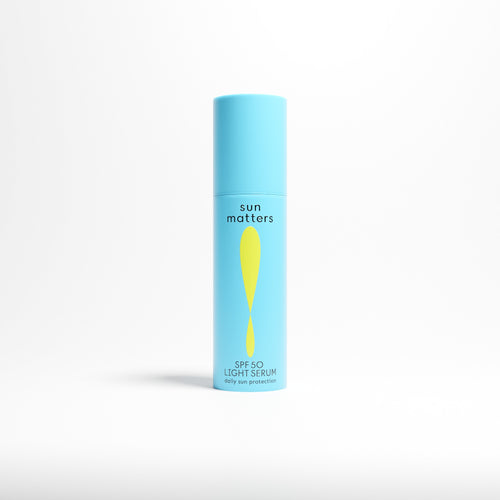
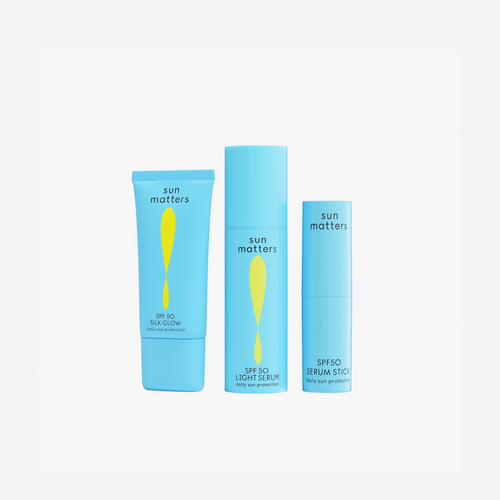
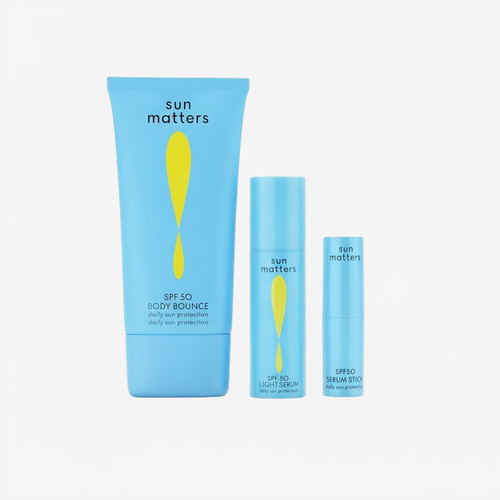
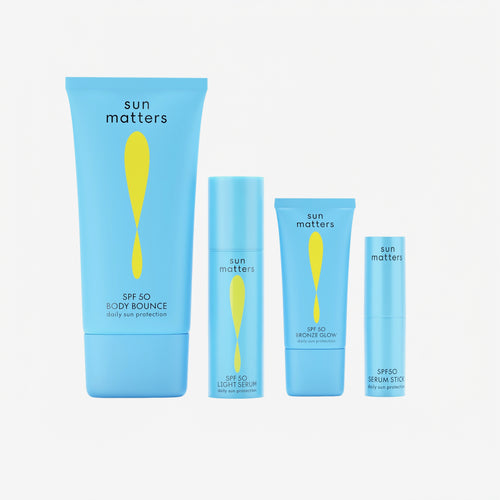
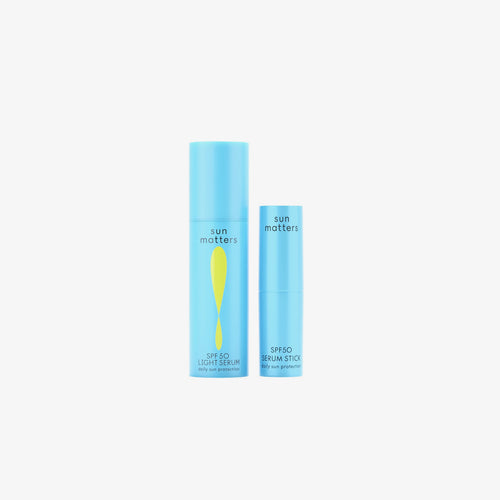
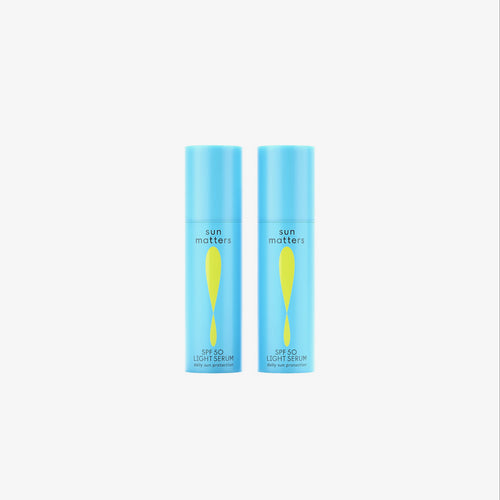
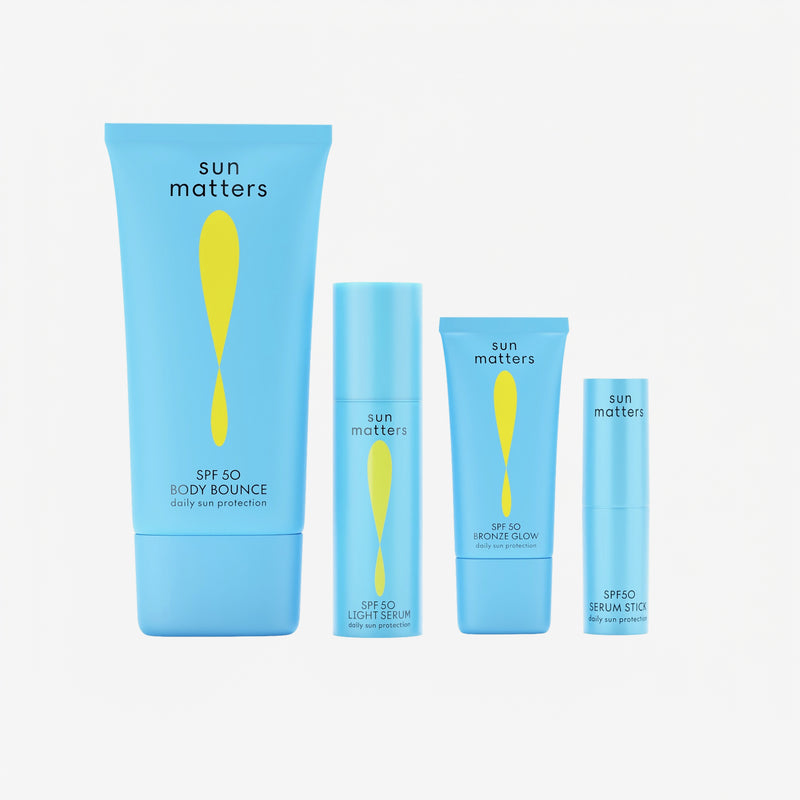
A sunscreen serum makes sense if you prefer a lightweight facial texture. The Silk Light Serum SPF50 costs €34.90 for 30 ml. It absorbs easily, stays invisible and leaves no greasy film. The fragrance-free formula suits all skin types, especially sensitive and blemish-prone skin.
The Silk Light Serum SPF50 is the only product in the range certified microbiome-friendly by MyMicrobiome. Let it absorb fully before applying make-up.
A natural glow under make-up
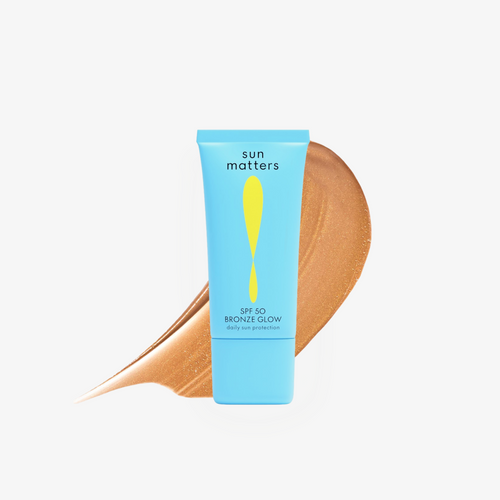
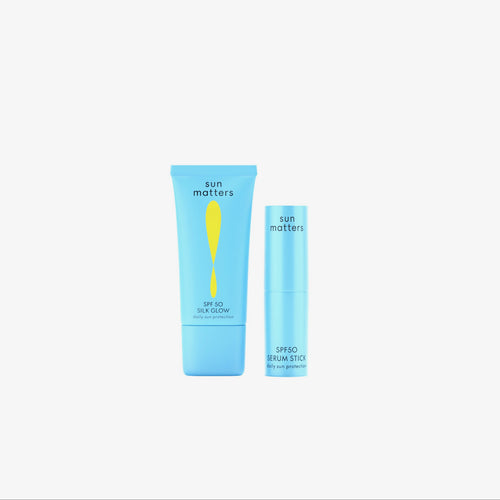
Silk Glow SPF50 and Bronze Glow SPF50 each cost €34.90 for 30 ml. Both offer a silky, lightweight texture and a natural, light-reflecting glow without glitter. You can wear them on their own or as a primer under make-up.
Small areas on the go
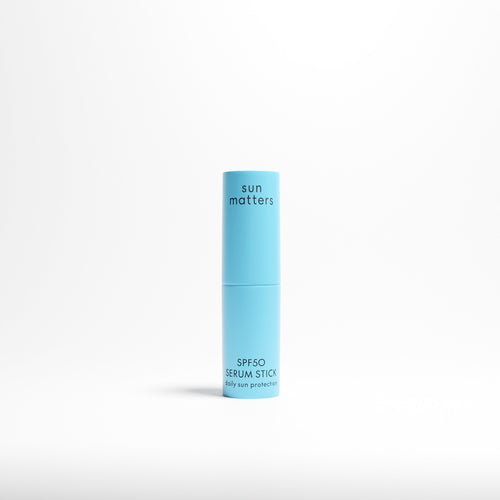
The Serum Stick SPF50 costs €24.90 for 10 ml. It's ideal for targeted reapplication on your nose, ears and lip contour. You can use it over or under make-up.
Our six-step guide shows you how to choose and apply a sunscreen stick for your face. A stick is especially handy for small exposed areas. For generous full-body application, a lotion or serum is the better choice.
Protection without the sticky feel
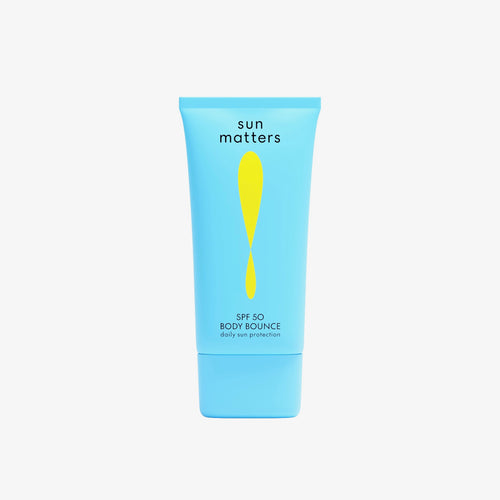
Body Bounce SPF50 costs €29.90 for 150 ml. The bouncy body texture absorbs quickly and leaves no greasy film, sticky residue or visible white cast.
The formula is water- and sweat-resistant for up to 80 minutes. After swimming, sweating and towelling off, reapplying is still part of the routine.
FAQ about SPF 50
SPF 50 offers high protection, but it is neither a personal stopwatch nor a substitute for shade and protective clothing.
Is SPF 30 enough or do I need SPF 50?
SPF 30 and SPF 50 both count as high protection. Under test conditions, SPF 50 filters around 98% instead of about 97% of UVB radiation, letting less residual radiation through. With high UV exposure or particular UV sensitivity, SPF 50 may be the better choice.
What is the difference between SPF 50 and SPF 50+?
In the EU, SPF 50 stands for a measured sun protection factor of 50 to 59.9. SPF 50+ indicates very high protection and requires a measured value of at least 60.
How much sunscreen do I need for my face?
The tested protection is based on 2 mg of sunscreen per cm² of skin. For many liquid facial sunscreens, two full lines of product along your index and middle fingers are a practical approximation, but not an exact universal amount.
Does SPF 50 mean I can stay in the sun 50 times longer?
No. SPF 50 describes a ratio determined under controlled conditions. Skin type, UV index, amount applied, missed spots, water, sweat and friction all change the protection you actually get.
The Federal Office for Radiation Protection recommends using no more than 60% of the theoretical protection time. Reapplying does not reset that time.
Do I need SPF 50 behind glass?
SPF 50 can make sense if you spend long periods right by a window or in a car, because ordinary glass lets some UVA through. The German Weather Service (DWD) reports a UVA transmission of around 60% for the glass it examined.
Transmission depends on the type of glass. Modern laminated windscreens can block significantly more UV radiation than side or rear windows.
Start your SPF 50 routine
Put together a simple routine for your face, body and on the go. Compare Sun Matters sun protection products by skin need, finish and use, and pop your reapplication option straight into your bag or backpack. Suncare is selfcare.

Written by
Stella Hinderer
Founder of sun matters


